





Article Content
- 1 What is Phaco Surgery?
- 2 Indications for Phaco Surgery
- 3 Advantages of Phacoemulsification Cataract Surgery
- 4 Is Phaco Cataract Surgery Dangerous?
- 5 Phaco Surgical Procedure
- 6 Frequently Asked Questions About Phaco Surgery
- 7 Phaco Cataract Surgery at Saigon Hikari Eye Care Center
- 8 Myopia Examination & Management at Hikari
Phaco Surgery – The Most Advanced Solution for Cataracts Today
Phacoemulsification (Phaco) cataract surgery is currently the most widely performed surgical technique for the treatment of age-related cataracts. With numerous outstanding advantages, this procedure can restore patients' visual acuity within a relatively short period of time. So what exactly is Phaco surgery? Which patients are indicated for Phaco surgery? What does the surgical procedure and post-operative recovery care involve? Join Hikari as we address these questions in the article below.
What is Phaco Surgery?
Phaco surgery, also referred to as Phaco cataract surgery or Phacoemulsification cataract technology, is a technique indicated for patients diagnosed with cataracts.
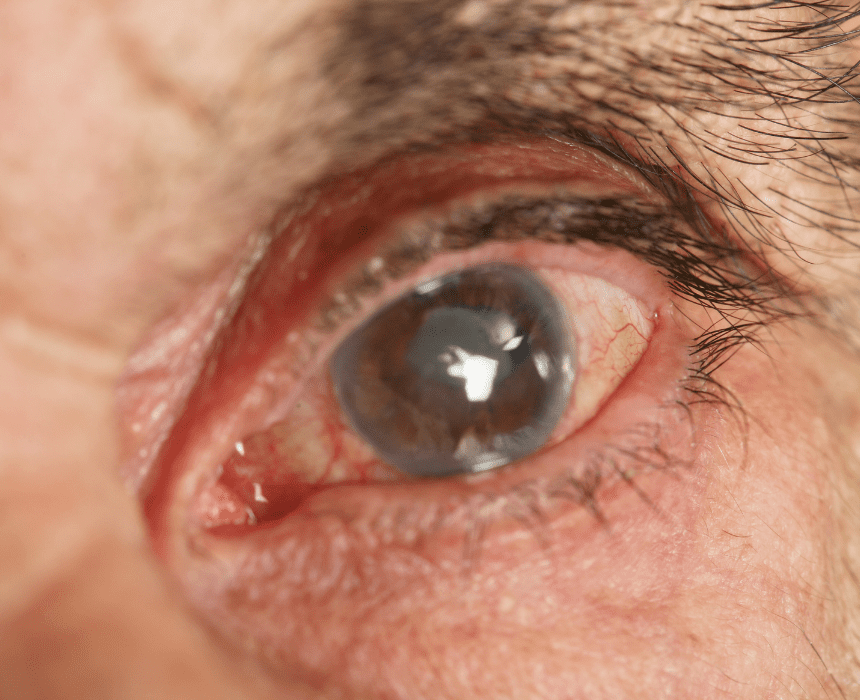
Phaco surgery utilizes ultrasonic energy to emulsify and aspirate the opacified crystalline lens through a small corneal incision of only 2–3 mm, requiring no sutures.
After removing the cataract, the surgeon implants an artificial intraocular lens (IOL) to restore the patient’s vision.
Indications for Phaco Surgery
Patients who are eligible for Phaco surgery should meet the following conditions:
- Phaco surgery utilizes ultrasonic energy to emulsify and aspirate the opacified crystalline lens through a small corneal incision of only 2–3 mm, requiring no sutures.
- Patients who have had cataracts for a prolonged period, where the condition has significantly affected vision and requires surgical treatment.
- Patients without acute systemic illnesses.
- Patients without acute eye infections.
Advantages of Phacoemulsification Cataract Surgery
Phaco surgery is the safest and most effective technique for patients indicated for cataract surgery.
The outstanding advantages of Phaco surgery over other surgical methods include:
- Minimal incision, low invasiveness: only a 2–3 mm micro-incision, no stitches required, helping reduce astigmatism.
- Phaco surgery is painless and bloodless, allowing patients to be discharged on the same day of the procedure.
- Rapid operative time: a single Phaco cataract surgery session lasts only 5–10 minutes.
- Early visual recovery: patients undergoing Phaco surgery experience early and satisfactory visual rehabilitation within one to several days postoperatively. Optimal visual acuity is typically achieved within 4–5 weeks following surgery.
- Low complication risk: Phaco surgery uses local anesthesia instead of general anesthesia, helping minimize medication-related risks.
- Can also correct refractive errors such as nearsightedness and astigmatism.
Is Phaco Cataract Surgery Dangerous?
Phaco surgery is a minimally invasive technique with a low risk of complications.
However, Phaco surgery does carry certain risks, including:
- Eye infection or bleeding.
- Damage to the cornea or other parts of the eye.
These complications are very rare, so there is generally no need for excessive concern.
Phaco Surgical Procedure
Pre-Surgery Examination & Consultation
Before the surgery, patients will undergo a comprehensive eye examination and receive a direct consultation with an ophthalmologist.

Patients will undergo a comprehensive eye examination so the doctor can evaluate the severity of the cataract condition.
The ophthalmologist will recommend the most suitable treatment plan based on the examination results, including:
- Vision testing under different lighting conditions.
- Examination of the eye structure and pupil dilation using a slit-lamp microscope.
- Intraocular pressure measurement and retinal examination.
To reduce the risk of infection, doctors may also prescribe antibiotic medication in certain cases.
If the patient requires cataract surgery in both eyes, the procedure will be performed on each eye separately.
Once the first eye has fully healed, the doctor will evaluate and schedule surgery for the second eye if needed.
In addition, patients may need general health check-ups and laboratory tests so the doctor can identify any factors that could affect the surgery.
This also helps predict and minimize potential risks or complications during and after the procedure.
Performing Cataract Surger
The operative time for Phaco cataract surgery is very short, lasting only 5–10 minutes.

The entire surgical procedure will consist of 7 steps:
Step 1: Numbing eye drops are applied to ensure the patient feels no pain during the procedure.
Step 2: One or two small incisions are created at the edge of the cornea.
Step 3: Separate the nucleus of the lens from its capsule.
Step 4: Ultrasound energy is used to break up the cloudy lens.
Step 5: The fragmented lens is removed using an irrigation and suction system.
Step 6: An artificial intraocular lens (IOL) is inserted through the small incision and carefully positioned.
Step 7: Due to the small incision size, the cornea will self-seal without the need for sutures; the surgical team will then perform antiseptic care and conclude the procedure.
Post-Surgery Care & Monitoring
The patient will be transferred to the recovery room following surgery and monitored until the effects of the local anesthetic have fully subsided (typically within 15–30 minutes).
If symptoms such as nausea, eye pain, or discomfort occur, patients should inform the doctor immediately for prompt treatment.
Patients are advised to have someone accompany them home after discharge, as vision may remain temporarily blurry following surgery.
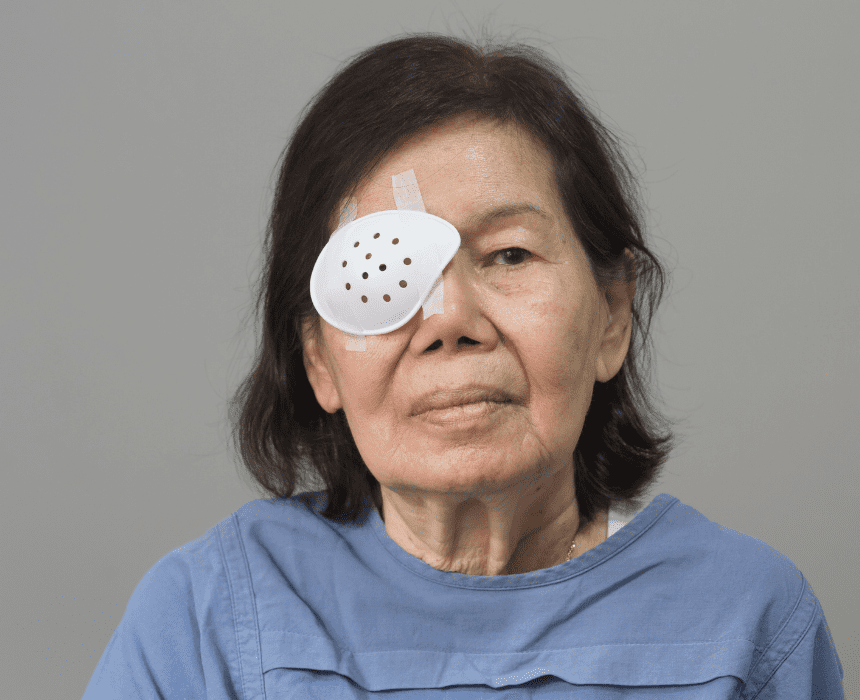
A follow-up examination the next day is recommended so that the physician can identify any potential postoperative complications.
Follow-up schedules will depend on each patient’s eye condition.. Typically, additional check-ups are arranged after one week, one month, three months, and six months following surgery.
During the recovery period at home, patients should follow these guidelines:
- Wear protective eyewear, even while sleeping, during the first week after surgery.
- Avoid heavy lifting or strenuous activities during the first two days.
- When bathing, washing your face, or shampooing your hair, avoid getting water into the eyes during the first two weeks.
- Do not rub or touch the eyes during the first month after surgery.
- Avoid sleeping face down, as it may increase pressure on the eyes.
- Include more vegetables and fruits in your daily diet.
- Avoid alcohol, beer, and other stimulants.
- Light daily activities such as reading newspapers or books are generally acceptable.
- Wash your hands thoroughly before and after applying eye drops.
- Use prescribed eye drops and medications regularly as instructed by your doctor.
- Limit screen time on TVs, smartphones, and laptops.
- Avoid swimming during the first month after surgery.
Post-Surgery Results Evaluation
After surgery, most patients experience significant vision improvement.
Some patients may not require spectacles or contact lenses following Phaco cataract surgery.
Patients often notice better color perception and depth clarity, allowing them to return to normal daily activities more comfortably.
Postoperative Complications of Phaco Surgery
Complications following Phaco cataract surgery are uncommon; however, exceptions do occur in a small number of cases.
Some postoperative complications of Phaco surgery include:
- Retinal detachment
- Eye infection
- Increased intraocular pressure
- Posterior capsule opacity
- Scarring
Frequently Asked Questions About Phaco Surgery
Is Phaco surgery necessary for cataracts?
The majority of cataract surgeries are performed using the Phaco technique.
Advancements in modern technology have improved the success rate of Phaco surgery and reduced dependence on glasses after treatment.
How long does it take to return to normal activities after Phaco surgery?
The time required for complete recovery depends on each patient’s overall health, age, and eye condition.
On average, patients require approximately two weeks for complete ocular recovery following Phaco surgery.
Please consult your ophthalmologist for more detailed advice and personalized recovery guidance.
Are there any post-operative restrictions after Phaco surgery?
Yes. Patients are advised to observe the following restrictions after Phaco surgery:
- Strenuous activities and heavy exercise.
- Going outdoors on windy days without protective eyewear.
- Swimming pools and hot baths.
- Cooking with excessive oil or exposure to smoke, as fumes may irritate the eyes. Patients may wear protective glasses and prepare simple meals if necessary. Avoid exposure to wood-fire smoke and charcoal smoke.
Can cataracts recur after Phaco surgery?
Phaco surgery does not cause cataracts to return, as the natural cloudy lens has already been removed and replaced with an artificial intraocular lens.
According to ophthalmic specialists, to achieve the best possible outcomes from Phaco cataract surgery, patients should thoroughly research and select a reputable and professional ophthalmic medical facility with qualified physicians, modern equipment and technology, a strictly controlled surgical protocol, and absolute adherence to sterile conditions.
Phaco Cataract Surgery at Saigon Hikari Eye Care Center
Guided by our mission and philosophy of "Clarity of Vision — Peace of Mind," Hikari Eye Care provides comprehensive ophthalmic examination and care services, including Phaco cataract surgery and the treatment of various other ocular conditions.
Hikari Eye Care brings together leading ophthalmologists with many years of experience in the field. Our doctors continuously update their expertise with the latest technologies and advanced treatment methods through domestic and international training programs and medical conferences.
With extensive professional knowledge and dedication to patient care, our doctors have earned the trust and appreciation of many patients visiting Hikari Eye Care.
- Dr. Nguyen Thi Phuong Ha, MD, Specialist Level I: CEO & Chief Surgeon. Dr. Ha has over 15 years of experience in examining and treating patients at major ophthalmology hospitals, specializing in both clinical and surgical eye care.
- Dr. Nguyen Thi Thu Huong, MSc, MD: Chief Surgeon. With her attentive patient care and more than 10 years of experience in treating eye conditions such as cataracts, pterygium, and other ophthalmic diseases, Dr. Huong has gained the trust and confidence of many patients and their families at Saigon Hikari Eye Center.
- Dr. Huynh Tan Phong, MD, Specialist Level II: Medical Advisor. Dr. Phong graduated from the University of Medicine and Pharmacy at Ho Chi Minh City and holds multiple professional certifications in ophthalmology. He has successfully performed more than 10,000 Phaco cataract surgeries and over 5,000 procedures for pterygium, eyelid surgery, and intraocular lens replacement.
Myopia Examination & Management at Hikari
Contact Hikari Today for a Comprehensive Eye Examination by Our Experienced Ophthalmology Team
Hikari Eyecare is a specialized eye center focusing on vision care and myopia management, equipped with advanced technology and a highly experienced team of eye specialists, providing personalized solutions for each patient.
🌐Website: https://hikarieyecare.com/
📘 Fanpage: Hikari Eyecare
📞 Hotline: 0961 39 39 83
📍 Branch 1: 17 Bui Thi Xuan Street, Ben Thanh Ward, Ho Chi Minh City
📍 Branch 2: 130 Bui Thi Xuan Street, Ben Thanh Ward, Ho Chi Minh City
👉 Contact us today for professional consultation and personalized myopia control solutions.


